Shirt Printing Techniques Explained
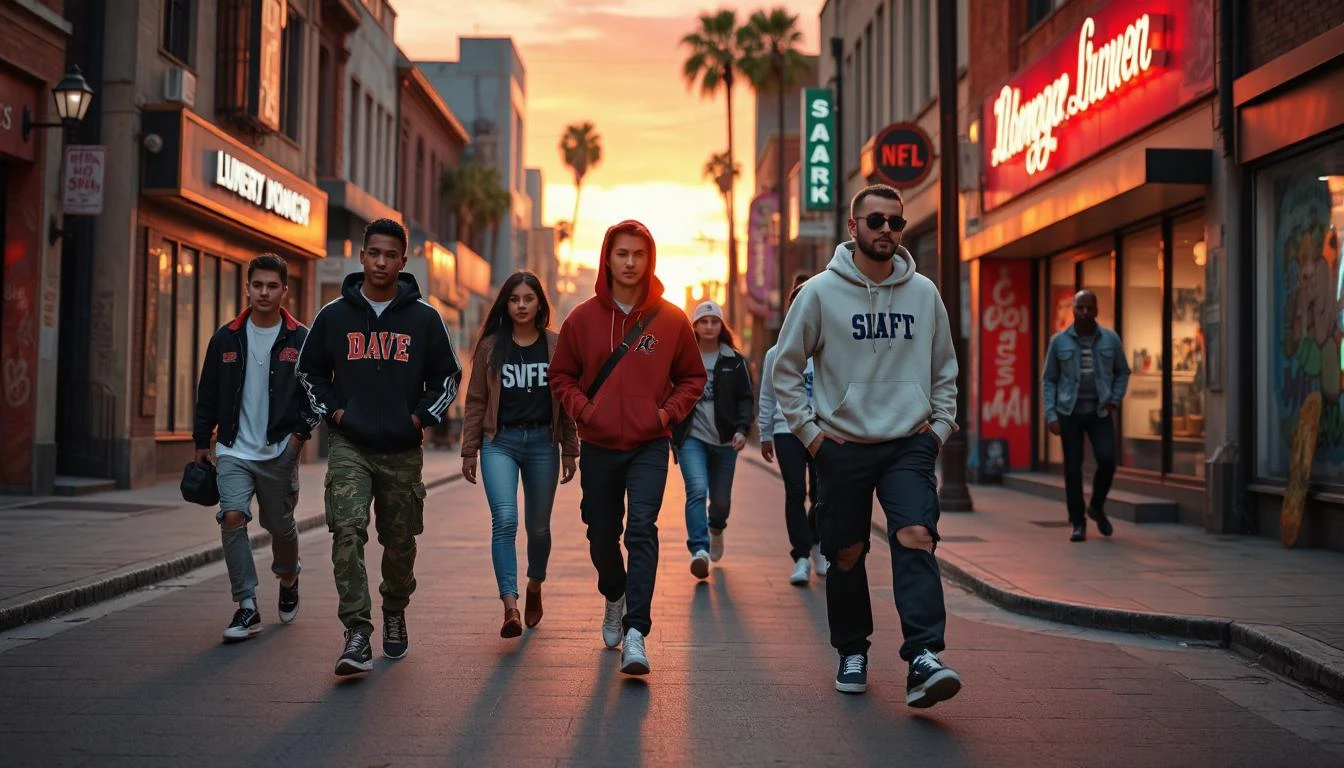
Fashion today is no longer only about wearing attractive clothes. It has evolved into a form of identity, branding, and even personal storytelling. From independent streetwear labels to global apparel companies, custom shirt production continues to dominate the fashion industry because people want designs that feel unique, expressive, and durable. That is why understanding modern printing systems becomes increasingly important for anyone interested in apparel production, whether for business, creative projects, or personal fashion collections.
The rapid growth of custom apparel has also pushed many creators to search for accurate information about shirt printing techniques explained before choosing a production method. A shirt may look visually stunning online, but the wrong printing process can quickly cause fading colors, cracked graphics, or uncomfortable textures after several washes. This is where understanding fabric compatibility, print durability, and production quality becomes a major advantage in today’s highly competitive fashion market.
Understanding Shirt Printing Basics
Before discussing advanced methods, it helps to understand why shirt printing is more complex than many people assume. Every printing technique interacts differently with fabric fibers, temperature, ink absorption, and pressure. These small technical details often determine whether a design looks premium or cheaply made.
Many fashion brands still rely on traditional screen printing methods because they produce vibrant colors and strong durability. However, newer technologies like DTG and sublimation printing are becoming increasingly popular for creators who want flexibility, intricate detail, and faster customization. According to textile expert Charles Bergeron, “The quality of apparel printing is determined not only by the artwork, but by how well the printing method matches the fabric itself.” That statement explains why understanding the basics is essential before jumping into production.
Importance of choosing the right method
Choosing the right printing technique affects far more than appearance alone. It influences comfort, durability, production cost, and customer satisfaction. A method that works perfectly for cotton streetwear may fail completely on polyester sportswear.
For example, fashion brands producing large quantities often choose screen printing because it delivers consistent quality at lower bulk costs. On the other hand, small creators selling custom one-piece designs usually prefer digital printing because it supports detailed artwork without requiring expensive setup processes.
Materials used in shirt printing
Modern apparel printing involves a wide range of materials beyond simple ink and fabric. Cotton remains a favorite because of its soft texture and strong ink absorption, while polyester dominates sportswear thanks to its lightweight and moisture-resistant properties.
Printing materials also continue evolving alongside sustainability trends. Water-based inks, eco-friendly pigments, transfer vinyl, mesh screens, and sublimation dyes are now widely used across the global apparel industry. Many modern consumers even consider environmentally friendly production as part of their purchasing decision.
Factors affecting print quality
Several hidden factors can dramatically influence the final appearance of a printed shirt. Artwork resolution, curing temperature, fabric texture, humidity, and ink quality all play a role in determining whether a print lasts for years or quickly deteriorates.
A high-resolution design printed on the wrong fabric can still produce disappointing results. Similarly, poor curing temperatures may cause cracking or fading after repeated washing. Understanding these variables helps creators avoid production mistakes that can damage brand reputation and customer trust.
Popular Shirt Printing Techniques
As fashion trends continue evolving, printing technology has become more advanced and specialized. Different techniques now serve different purposes depending on design style, production scale, and target audience. Understanding these methods helps readers identify which option delivers the best balance between quality, flexibility, and cost.
The rise of independent fashion brands has also increased interest in digital customization, oversized graphics, and vintage-inspired apparel textures. According to fashion manufacturing consultant Deborah Adler, “Consumers today expect both visual impact and durability from custom apparel, which is why choosing the right printing process matters more than ever.” That shift explains why modern creators spend more time comparing printing systems before launching products.
Screen printing process explained
Screen printing remains one of the most widely used methods in the apparel industry. This technique pushes ink through mesh screens onto fabric surfaces, creating bold and long-lasting designs with strong color opacity.
One major advantage of screen printing is durability. Thick ink layers help graphics survive repeated washing while maintaining vibrant color intensity. That is why many streetwear brands, event merchandise producers, and sports apparel companies still depend heavily on this method. However, screen printing becomes less practical for highly detailed artwork or small production quantities because every color requires a separate screen setup.
Direct to garment printing methods
Direct-to-garment printing, commonly called DTG, uses inkjet-style technology to print designs directly onto fabric. This method is ideal for highly detailed artwork, smooth gradients, and print-on-demand production systems.
DTG printing is especially popular among independent artists and online custom apparel stores because it allows smaller production runs without expensive preparation costs. The process also supports modern graphic trends like anime artwork, digital illustration, and complex typography. Although DTG delivers impressive detail, it generally performs best on cotton fabrics and may require more careful washing maintenance compared to traditional screen printing.
Heat transfer and sublimation printing
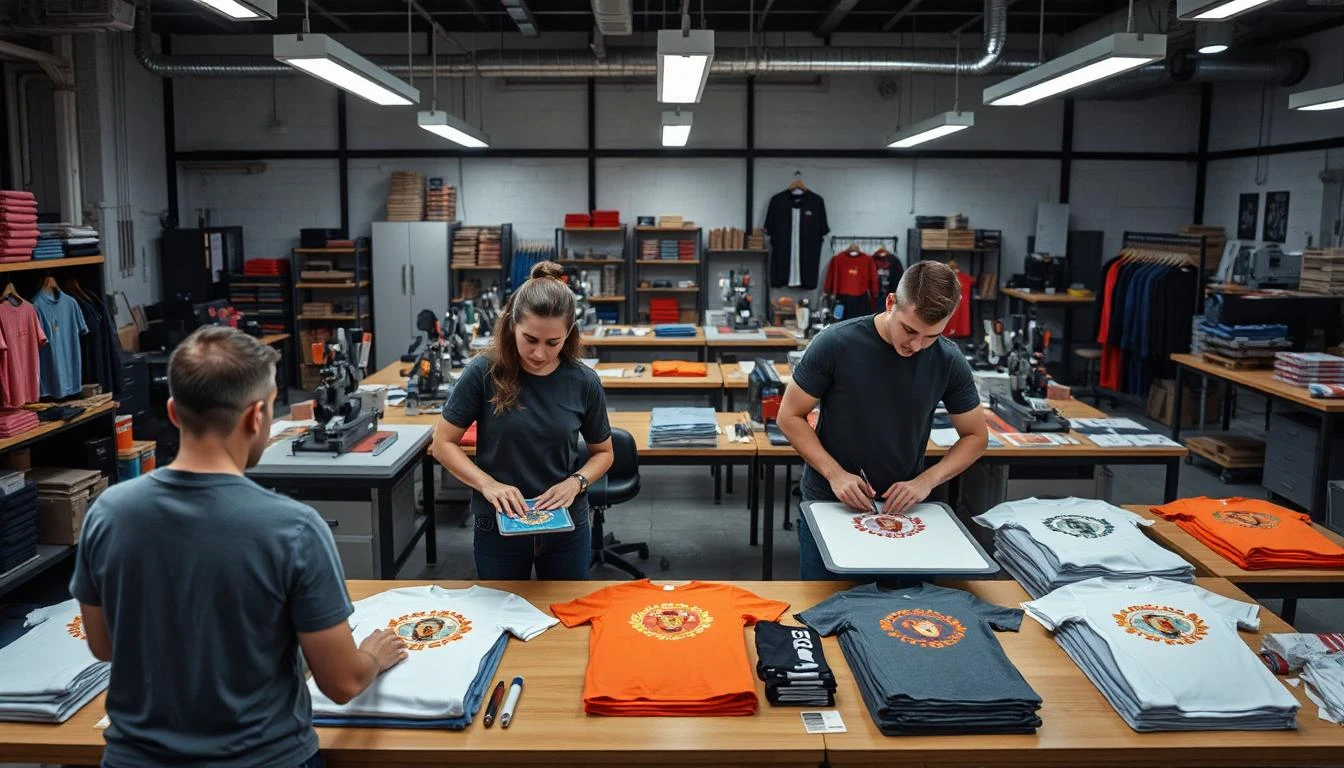
Heat transfer printing uses pressure and heat to apply graphics onto garments through transfer sheets or vinyl materials. This method is beginner-friendly and commonly used for custom names, logos, and small-scale apparel production.
Sublimation printing works differently by transforming dye into gas that permanently bonds with polyester fibers. The result is a smooth, breathable print that does not crack or peel over time. Because of this, sublimation is heavily used in sports jerseys, activewear, and performance apparel. The limitation of sublimation is that it works best on light-colored polyester materials, making it less versatile for certain fashion applications.
Choosing The Best Printing Method
Selecting the best printing method often depends on the balance between design goals, production budget, and fabric type. There is no universal solution because every technique offers different strengths and limitations depending on the intended use.
Many beginners focus only on visual appearance without considering durability or long-term comfort. In reality, successful apparel production combines technical understanding with creative direction. The best results usually come from matching the right printing process with the right material and production scale.
Comparing durability and print results
Durability remains one of the biggest concerns for customers purchasing printed apparel. Screen printing generally offers excellent longevity because the thick ink layers resist fading and cracking over time.
Sublimation printing also performs extremely well since the dye becomes part of the fabric itself instead of sitting on the surface. DTG printing provides softer textures and detailed visuals but may require gentler washing care to maintain color vibrancy.
Consumers today expect shirts that not only look attractive on social media but also remain comfortable and visually sharp after months of regular use.
Cost and production considerations
Production cost changes significantly depending on the chosen method and order quantity. Screen printing becomes more affordable for large-scale orders because setup expenses are divided across multiple pieces.
DTG printing is more suitable for smaller orders because it eliminates expensive screen preparation. Heat transfer methods are usually cheaper for beginners, although long-term durability may vary depending on material quality. For growing fashion businesses, balancing affordability and quality is often more important than simply choosing the cheapest production option.
Selecting techniques for different fabrics
Different fabrics react differently during the printing process. Cotton works exceptionally well for DTG and water-based printing because it absorbs pigment efficiently and produces softer textures. Polyester is ideal for sublimation because heat-reactive fibers allow the dye to bond permanently into the material. Blended fabrics may require specialized treatment to maintain accurate color reproduction and print durability.
As fashion trends continue moving toward technical fabrics and performance wear, understanding material compatibility becomes increasingly valuable for apparel creators worldwide.
Learn The Best Shirt Printing Techniques Today
The modern fashion industry rewards creators who understand both visual creativity and production quality. Learning about printing methods helps avoid expensive mistakes while improving customer satisfaction and brand credibility. A well-designed shirt can easily lose its appeal if the printing process fails to support durability, comfort, and color consistency.
When you start paying attention to printing quality, you also begin noticing why some apparel brands feel more premium than others. The difference often comes from technical decisions hidden behind the design itself. Understanding shirt printing techniques explained allows you to make smarter choices for personal projects, fashion businesses, or custom merchandise production in a rapidly growing global apparel market.
If you are planning to create custom apparel, now is the perfect time to explore the printing method that best matches your creative vision and production goals.